12 hr
Death Valley Day Trip from Las Vegas
Journey to one of Earth's most extreme landscapes on a full-day desert expedition with lunch included
Reserve
Cross the Mojave to America's lowest point, where salt flats meet sculpted canyons
Hand-picked by our editors — only the best 5 Death Valley experiences from 127 reviewed
Verified partners for every tour, free cancellation where available, and instant confirmation on every booking.
12 hr
Journey to one of Earth's most extreme landscapes on a full-day desert expedition with lunch included
Reserve
24 hr
Journey into America's most extreme desert wilderness and explore an abandoned gold rush settlement
Reserve
12 hr
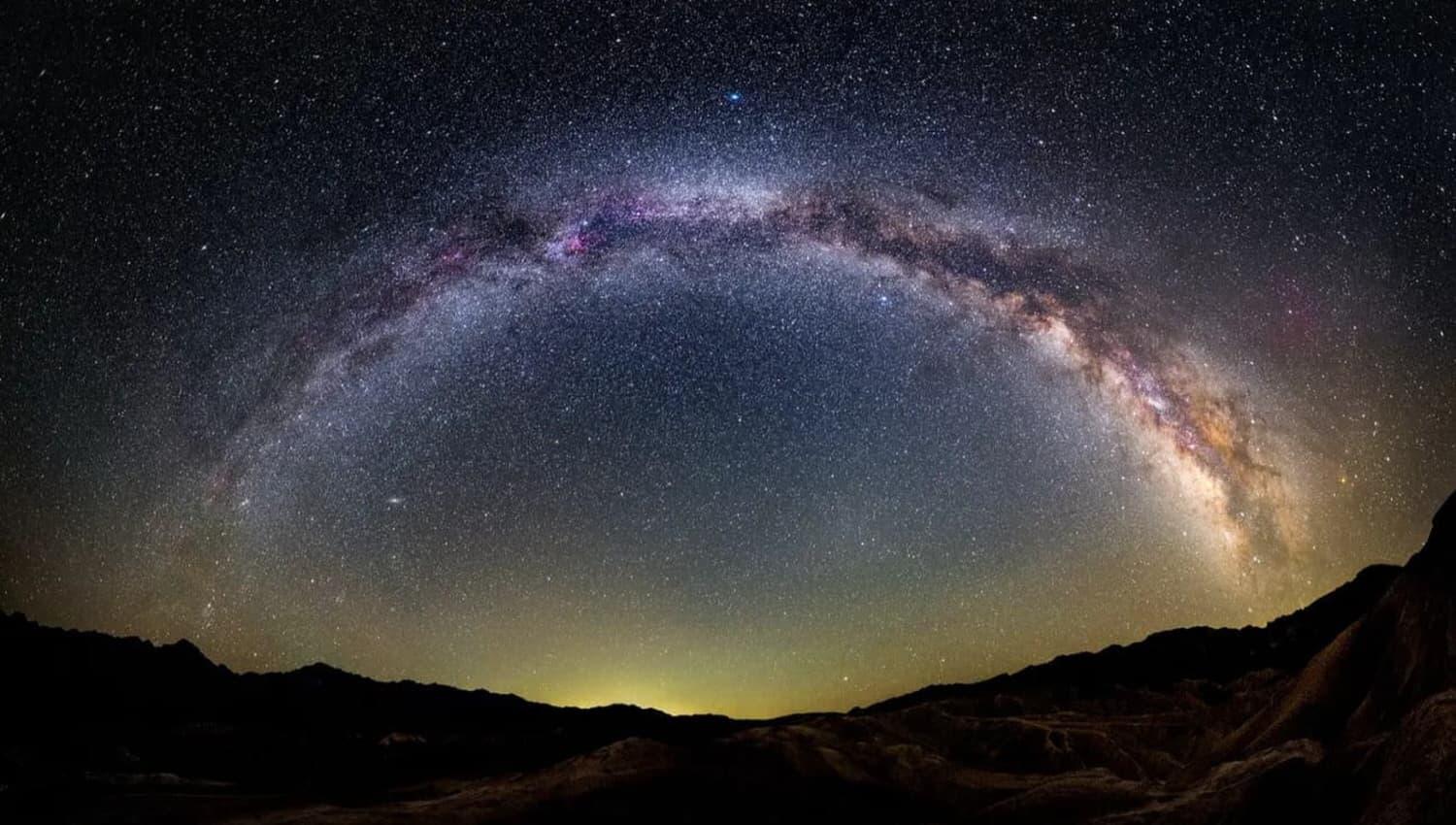
Experience Death Valley's dramatic landscapes by daylight, witness a breathtaking sunset, then marvel at stars in pristine darkness.
ReservePrices from verified partners. Availability updates in real time at checkout. Free cancellation policies apply where shown.
The landmarks, rooms, and views travelers on this tour remember — all visible on a single visit.
The lowest point in North America sits at 282 feet below sea level. Salt flats cover nearly 200 square miles here.
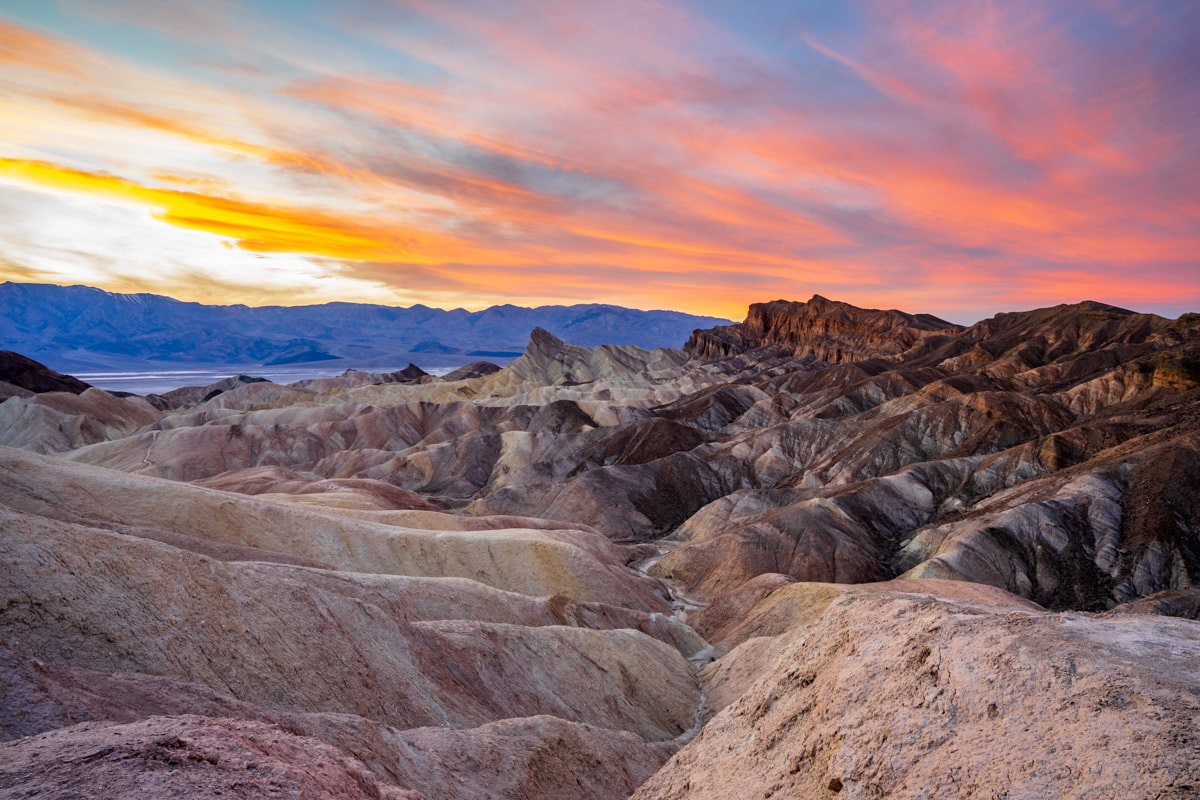
This site features beautiful erosional landscape patterns. It offers a spectacular view of the surrounding badlands.
These dunes rise up to 100 feet high. The area is formed by wind-blown sand from the surrounding mountains.
This scenic loop showcases colorful volcanic and sedimentary rocks. The mineral deposits create shades of red, pink, and yellow.
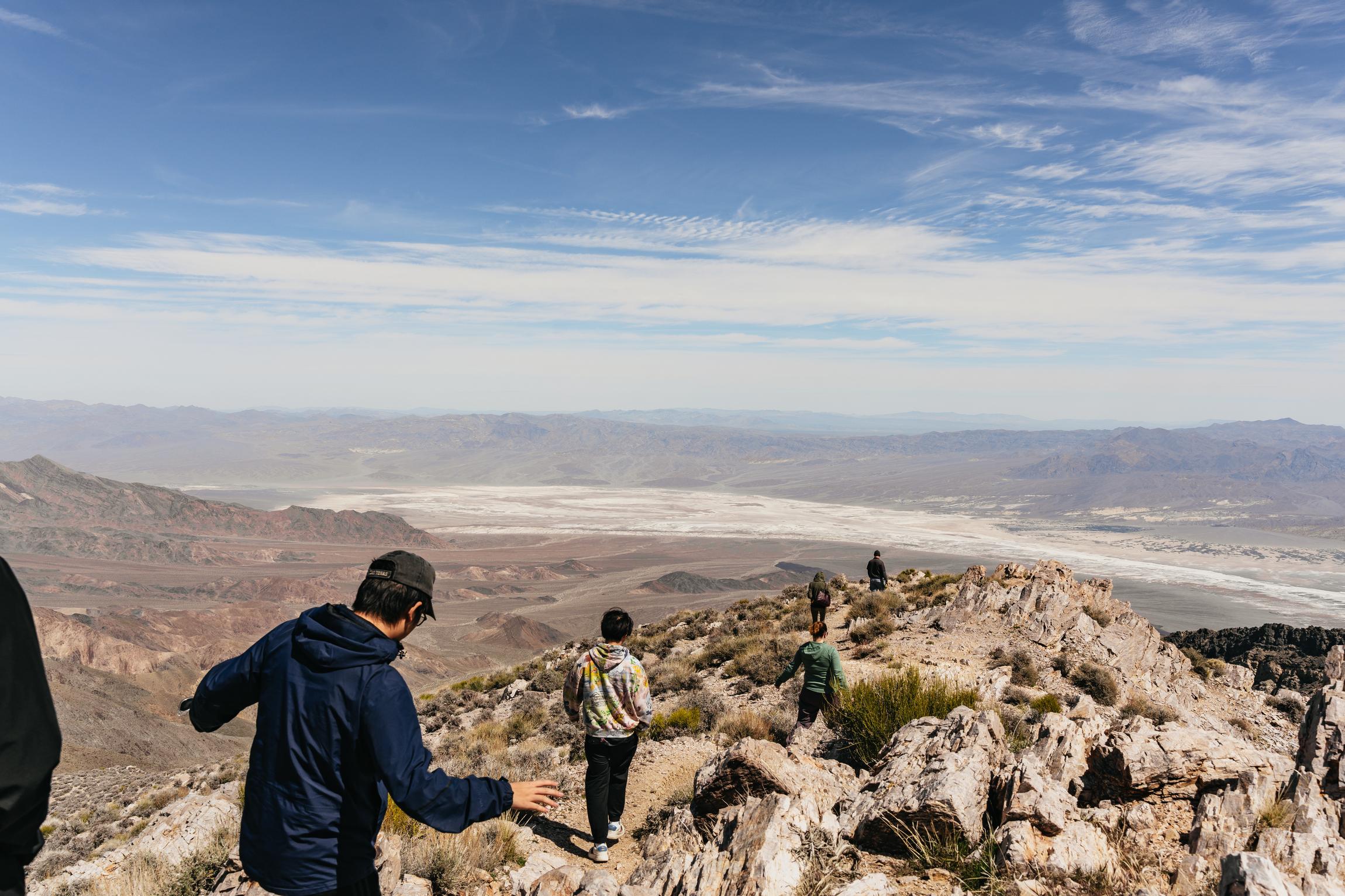
Located at 5,475 feet, this viewpoint offers a panoramic perspective of the basin. It is one of the highest accessible points in the park.
They complement each other; most visitors who do both call Death Valley the more profound geological experience, while Joshua Tree offers a more accessible high-desert escape.
| Feature | Top pick Death Valley | Joshua Tree |
|---|---|---|
Drive time from Los Angeles |
4.5–5 hours | 2.5–3 hours |
Landscape character |
Extreme salt flats and canyons | Boulder fields and iconic yucca trees |
Primary activity type |
Scenic driving and vista photography | Rock scrambling and nature hiking |
Best time of year |
Late autumn to early spring | Autumn through spring |
Recommended duration |
Full day (12+ hours) | Half to full day (6–10 hours) |
| See tickets → |
Verdict: Choose a death valley day trip from los angeles tours if you seek vast, alien geography, but opt for Joshua Tree if you prefer shorter transit times and intimate desert hiking.
Choose your ticket, select your date, and reserve in under two minutes. Secure checkout handled by our verified partner.
Instant confirmation by email, with a mobile voucher you can save offline. No printing, no queuing at a collection desk.
Arrive at the entrance, show your voucher on your phone, and walk in. Most tickets include priority or skip-the-line access.
Best time to go, insider tips, nearby landmarks, and the cancellation fine print — flip through to skim what matters to you.
How crowds, weather, and events shift across the year.
Mild temperatures make for pleasant hiking and sightseeing.
Small details that turn a good visit into a great one.
Drink water before feeling thirsty to prevent heat exhaustion.
Non-bookable sights within a short walk — free to visit, easy to pair.
Provides a high-elevation panorama of the valley floor.
Flexible, no hidden fees.
The standard entrance pass is valid for 7 days from the date of purchase. Refunds for entrance fees are generally not provided for individual private vehicles after payment.
Hand-picked options within walking distance — pick a district for vibe, or a specific hotel for convenience.
Historic resort located within the park boundary.
Death Valley holds the Western Hemisphere's hottest reliably recorded temperature — 134°F, logged at Furnace Creek on July 10, 1913 — and sits 282 feet below sea level at Badwater Basin, the lowest elevation in North America. The basin's salt crust stretches three miles, a hexagonal mosaic of evaporite minerals pushed upward by the slow heave of bedrock beneath. Spanish explorers named the range Amargosa, "bitter water," for the alkali springs that poison livestock. Gold Rush pioneers crossing the Panamint Range in 1849 lost oxen and wagons to the heat; one emigrant party coined the valley's name upon escape, though only one member died during the traverse. Today Death Valley National Park protects 3.4 million acres of basin-and-range topography, the largest national park in the contiguous United States. Zabriskie Point exposes five million years of lakebed sediment, the Furnace Creek Formation, eroded into ridges that glow ochre and mauve at sunrise. Dante's View, perched at 5,475 feet on the Black Mountains, offers a 100-mile sight line from Telescope Peak to Badwater's salt pan. Artists Palette displays iron oxides, manganese, and mica in rust, green, and violet bands along a one-way gravel loop. Mesquite Flat holds the park's most accessible dunes, 14 square miles of wind-shaped sand rising 100 feet above the valley floor. A Death Valley day trip from Los Angeles requires crossing the Mojave Desert, a 280-mile drive through Palmdale and the Panamint corridor. Most itineraries allocate seven to nine hours of park time, structured around early-morning arrival to avoid midday temperatures that exceed 120°F in summer. Guided tours depart Los Angeles before dawn, routing through Red Rock Canyon State Park or the Trona Pinnacles for geological context. Park entry costs $30 per vehicle, valid for seven consecutive days. The visitor center at Furnace Creek stocks maps, water, and interpretive exhibits on Timbisha Shoshone history and extremophile biology. Death Valley's climate zones range from Sonoran scrub at low elevations to pinyon-juniper woodland above 7,000 feet. Creosote, brittlebush, and desert holly dominate the basin floor; bighorn sheep, kit foxes, and roadrunners inhabit the alluvial fans. Spring wildflower blooms — phacelia, desert gold, and gravel ghost — depend on winter rainfall and occur sporadically between February and April. The park remains open year-round, 24 hours daily, though summer visitation drops to 10 percent of the annual total due to heat stress risk.

"Death Valley holds the Western Hemisphere's hottest reliably recorded temperature — 134°F at Furnace Creek in 1913."
Food service is limited, so we advise bringing enough water and snacks for your death valley day trip from los angeles tour.
Paved areas near visitor centers and major landmarks are generally stroller accessible.
The drive typically takes about 4.5 hours from Los Angeles.
Pets are restricted to developed areas and must remain leashed on a death valley day trip from los angeles.
Stay hydrated, wear sun protection, and minimize strenuous activity during the midday heat.
Yes, photography is encouraged, but drone use is prohibited during your death valley day trip from los angeles.
Please check local weather warnings before embarking on your death valley day trip from los angeles tour.