
English| EUR
Suggested for you
More currencies
Choose a language
Death Valley National Park sits roughly 140 miles northeast of Los Angeles—a distance that translates to widely varying drive times depending on your route, traffic, and destination within the park. The journey crosses ecosystems from coastal basin to high desert to basin floor 282 feet below sea level, with temperature swings of 40 degrees or more between departure and arrival.
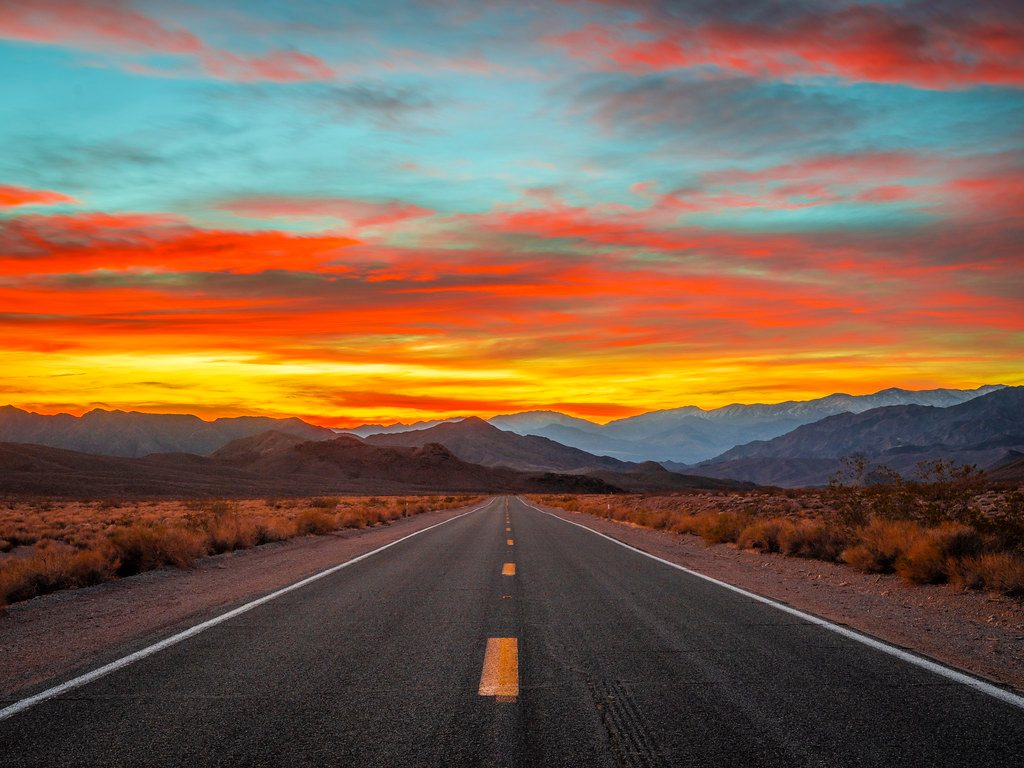
Quick answer
A Death Valley road trip from Los Angeles typically takes 2.5 to 4 hours one-way via Interstate 14 and Highway 395 to Furnace Creek, the park's central hub. The route covers approximately 140 miles, though longer scenic alternatives via Highway 178 add distance and time. Plan for early morning departures to avoid extreme midday heat—temperatures regularly exceed 115°F in summer—and carry double your estimated water supply.
Death Valley receives fewer than two inches of rain per year, making it one of the driest places on Earth—yet flash floods remain a genuine hazard when storms do arrive. This contradiction defines the park: a landscape of extremes where preparation matters more than spontaneity. The primary access corridor from Los Angeles follows Interstate 14 north through the Antelope Valley, transitioning to Highway 395 near Ridgecrest before turning east on Highway 190 into the park. Badwater Basin—the Western Hemisphere's lowest elevation at 282 feet below sea level—lies another 17 miles south of Furnace Creek via Badwater Road. Zabriskie Point, Dante's View, and the Mesquite Flat Sand Dunes fan out from this central spine, each requiring additional driving on park roads where services disappear entirely. Cell coverage ends well before the park boundary. The last reliable fuel stops sit in Ridgecrest on the northern route or in Pahrump, Nevada if approaching from the east. Inside the park, only Furnace Creek and Stovepipe Wells offer gas, typically priced well above regional averages. Summer visitors confront another constraint: the park is open year-round, but recommended arrival windows shift dramatically. Between June and September, rangers urge morning arrivals before 10 AM to minimize heat exposure, with the $30 per-vehicle entrance fee valid for seven consecutive days. The park encompasses more than 3.4 million acres, larger than the state of Connecticut. A single day allows time for Badwater Basin, Zabriskie Point, and perhaps the Artists Palette loop, but deeper exploration—Ubehebe Crater, the Racetrack Playa, Scotty's Castle Road—demands overnight stays and high-clearance vehicles. Most Los Angeles visitors structure their Death Valley road trip as either a long day excursion or a two-day overnight, balancing drive time against the reality that summer heat compresses usable daylight into early morning and late afternoon windows.
“Death Valley receives fewer than two inches of rain per year, making it one of the driest places on Earth—yet flash floods remain a genuine hazard when storms do arrive.”
Death Valley National Park is located east of the Sierra Nevada mountains, with the most direct driving routes from Los Angeles via the high desert. Travelers typically utilize the interstate and state highway network to reach the park boundaries.
I-15 N to CA-127 N
I-5 N to US-395 N to CA-190 E
Plan to arrive between 06:00–10:00 to avoid extreme midday desert heat and peak crowds. Ensure your vehicle is fueled and prepared for remote desert conditions before departing from major urban centers.
The period from late fall through early spring offers the most manageable temperatures for visiting Death Valley National Park. Avoiding the intense summer heat makes outdoor exploration feasible during these cooler months.
Mild, 60°F–75°F
Cooler temperatures allow for comfortable daytime hiking and sightseeing.
Cool, 40°F–65°F
This is the coldest season, requiring layers for chilly mornings and evenings.
Warm, 75°F–90°F
Spring provides pleasant conditions before the extreme heat of summer arrives.
—
Adhering to the best arrival window of 06:00–10:00 helps avoid extreme midday desert heat and peak crowds.
Verdict: For the most comfortable experience, plan your road trip for a weekday in March or November, ensuring you arrive within the 06:00–10:00 window.
This three-day itinerary balances the park's signature viewpoints with desert basin exploration, giving you time to photograph key sites without rushing through extreme heat.
Arrive early to photograph the golden badlands from this roadside viewpoint, then drive 20 minutes south to your next stop.
Walk the salt flats at 282 feet below sea level, the lowest point in North America—plan 1-2 hours including the boardwalk trail.
Drive to this 5,475-foot overlook for sweeping views of the valley floor and Panamint Range; arrive before 10:00 to avoid midday haze.
Take this one-way scenic road through colorful volcanic deposits and alluvial fans—allow 45 minutes for the 9-mile route.
Hike into the dunes near Stovepipe Wells before temperatures climb; early light creates the best contrast for photography.
Stop for exhibits on desert ecology and geology, refill water, and check road conditions before your return drive to Los Angeles.
Death Valley National Park remains accessible to visitors throughout the week, operating on a continuous schedule to accommodate road trips arriving from Los Angeles.
Desert conditions and remote terrain demand specific preparation beyond a typical road trip.
Everything you need to know about death valley road trip from los angeles
Driving from Los Angeles typically takes between four and five hours depending on traffic and your specific route. Planning your departure early helps ensure you arrive with enough daylight to explore the desert landscape.
The best arrival window is 06:00–10:00. Arriving during this period allows visitors to avoid extreme midday desert heat and peak crowds.
The entrance fee is 30 USD per vehicle. This fee is collected at park entrances or via official automated kiosks where available.
Temperatures in the basin can be extreme, so carry plenty of water and stay on marked paths. It is important to check weather forecasts and vehicle fluid levels before departing on your death valley road trip from los angeles.
Families can enjoy the diverse geological formations and educational exhibits found throughout the park. Ensure children remain hydrated and protected from the sun at all times during your desert adventure.
The park is located at California Highway 190, Death Valley, CA 92328. You can use this address in your navigation system to reach the main visitor areas.
The entrance fee of 30 USD is valid for 7 days. This allows for multiple entries if you are planning an extended stay in the region.