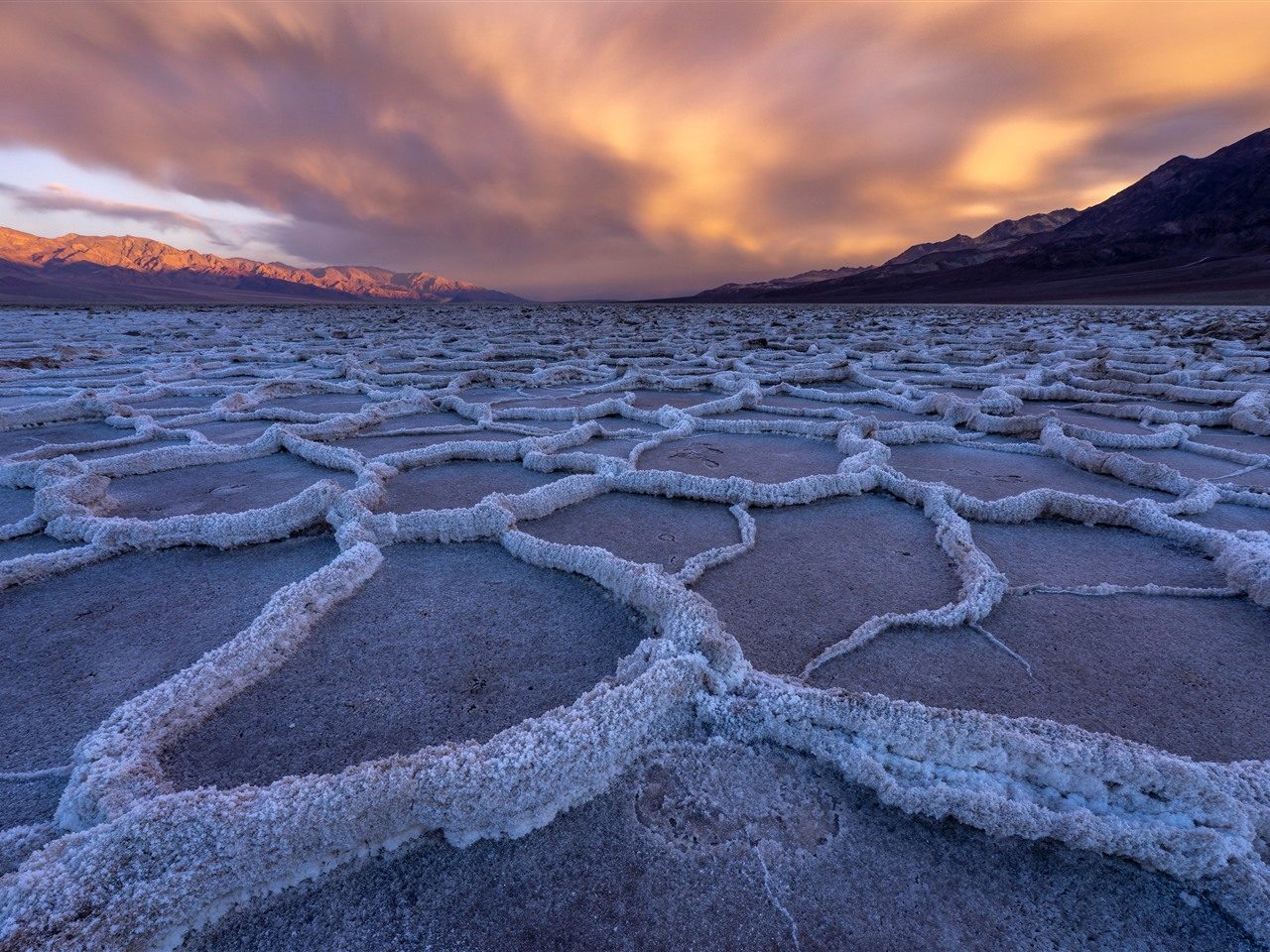
Badwater Basin
The lowest point in North America features expansive salt flats located 282 feet below sea level. Expect to spend 30 to 45 minutes walking out onto the salt crust.
Walk past the initial salt crowd for clearer hexagonal patterns.

Death Valley National Park spans 3.4 million acres across one of the most extreme landscapes in North America. The park's main paved routes connect iconic viewpoints across salt flats, dunes, and mountain passes, but drive times vary dramatically based on your route and how many stops you make along the way.
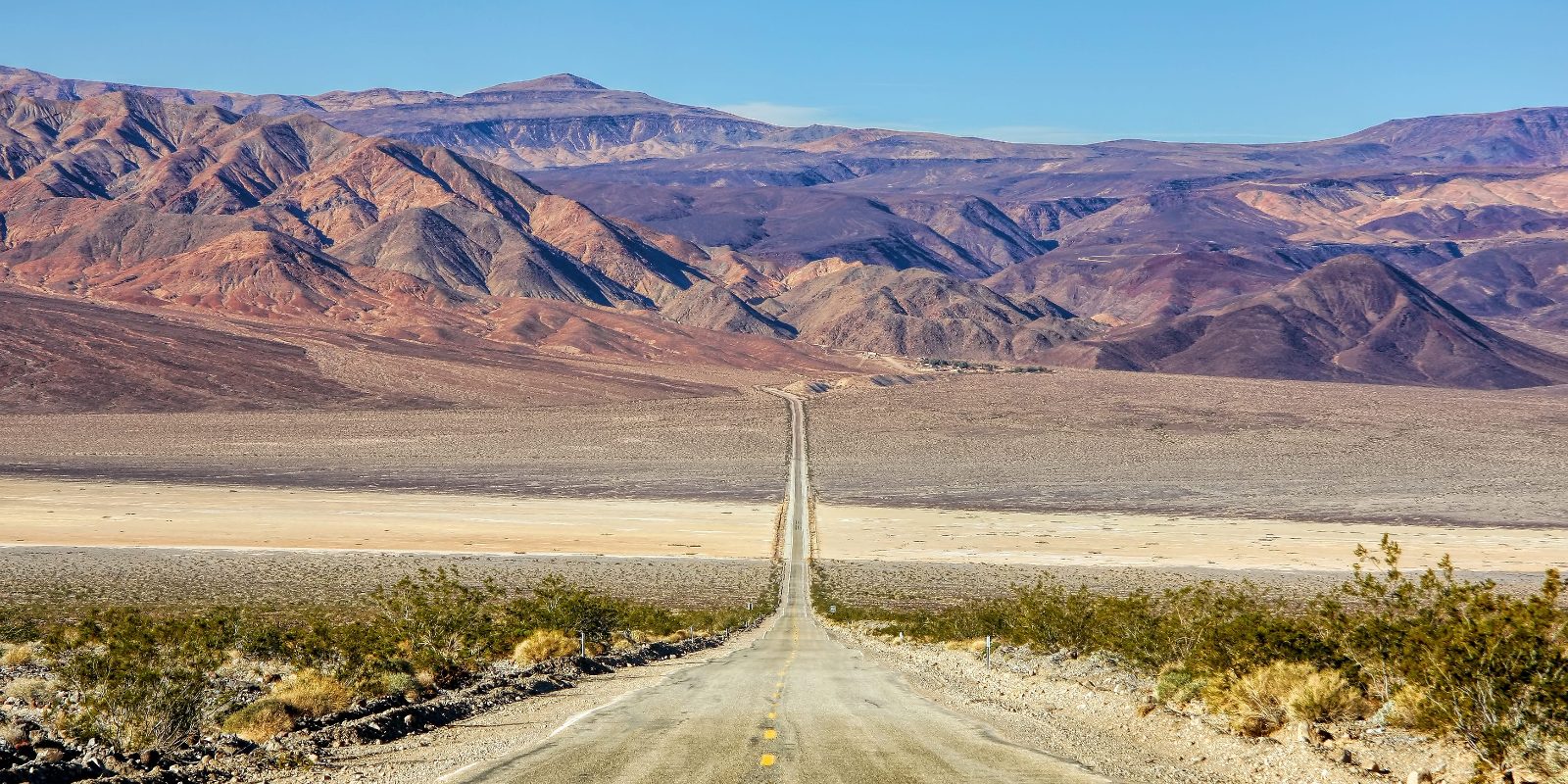
Quick answer
The primary scenic loop through Death Valley National Park takes 3 to 4 hours of continuous driving, covering approximately 140 miles from the southern entrance near Furnace Creek to the northern Scotty's Castle area and back. Most visitors should plan 6 to 8 hours for a realistic day trip that includes stops at Badwater Basin, Zabriskie Point, and Artist's Drive. Summer temperatures regularly exceed 120°F, which extends drive times due to mandatory cooling breaks and slower vehicle performance in extreme heat.
Death Valley holds the world record for highest reliably recorded air temperature at 134°F, set in July 1913 at Furnace Creek. This extreme climate directly impacts how long it takes to traverse the park, particularly between May and September when pavement temperatures can melt shoes and overheat vehicles within minutes. The park's road network includes 350 miles of paved highways and hundreds more miles of backcountry tracks. California State Route 190 forms the main east-west corridor, intersecting with Badwater Road and Artist's Drive to create the classic visitor loop. From the Furnace Creek Visitor Center, Badwater Basin lies 17 miles south, Zabriskie Point sits 5 miles southeast, and the Mesquite Flat Sand Dunes rest 19 miles northwest. Each segment requires 20 to 40 minutes of driving, but summer heat forces frequent stops for vehicle cooling and hydration. Park rangers recommend against continuous driving during midday hours from June through August. Death Valley driving time depends heavily on your entry and exit points. Visitors arriving from Las Vegas via the eastern entrance at Death Valley Junction face a 2-hour approach before reaching central attractions. Those coming from Los Angeles through the Panamint Valley to the west add nearly 4 hours of desert highway driving before entering park boundaries. The northern route through Scotty's Castle Road remains partially closed due to 2015 flood damage, rerouting traffic and adding 30 to 45 minutes to some itineraries. Vehicle preparation determines whether your drive proceeds smoothly or ends in a roadside emergency. The park logs dozens of heat-related breakdowns weekly during summer, most involving radiator failures or tire blowouts on scorching pavement. Carrying two gallons of water per person, checking tire pressure before dawn departure, and avoiding midday travel between 10 AM and 4 PM are standard protocols. Winter months from November through March allow comfortable all-day driving, with temperatures ranging from 60°F to 75°F and extended golden-hour light for photography at the salt flats and canyons.
“Park rangers recommend against continuous driving during midday hours from June through August, when pavement temperatures force mandatory cooling breaks.”
This single-day itinerary covers the park's major overlooks and valleys, balancing driving time with short stops to experience the landscape. The entire loop takes 6-8 hours depending on how many stops you make and whether you add any hikes.
Arrive during the cooler hours and stop at the Furnace Creek Visitor Center to pick up a map and check current road conditions. Budget 30 minutes.
Drive to the lowest point in North America at 282 feet below sea level. Walk the salt flats boardwalk (15-20 minutes) and photograph the valley floor.
Take the one-way scenic loop through eroded hillsides streaked with mineral colors. The drive itself is 20-30 minutes with photo stops at Artist's Palette.
Stop at this overlook for panoramic views of golden badlands and eroded ridges. The viewpoint is right off the road and takes 10-15 minutes.
Drive up to the 5,475-foot viewpoint for sweeping views across the entire valley floor. The drive up takes about 30 minutes from the valley; linger for 20-30 minutes.
Explore the accessible dunes near Stovepipe Wells. Walk as far as you like into the dune field or stay close to the parking area; allow 30-60 minutes depending on your energy.
The best arrival window is 00:00–08:00 to beat the extreme daytime heat and avoid midday crowds, which directly impacts driving efficiency and accessibility. Planning your drive during cooler months or early hours ensures safer transit across the park.
Mild temperatures, 60°F–80°F
These months offer the most comfortable driving conditions for exploring the valley floor.
Extreme heat, often exceeding 120°F
High temperatures limit vehicle performance and duration of outdoor stops.
—
Early morning starts minimize traffic congestion at popular roadside stops and overlooks.
Warm, pleasant, 70°F–90°F
These shoulder months balance comfortable weather with peak visitation levels.
Verdict: The best time for a drive is between November and March, specifically arriving between 00:00 and 08:00 on weekdays to avoid heat and congestion.
Death Valley National Park spans a vast desert area in eastern California, most commonly accessed by car via state routes connecting from major regional hubs. Driving durations depend heavily on your starting point, as the park features multiple entry points including CA-190 and local access roads from the south and west.
CA-190 West (from Lone Pine)
CA-190 East (from Beatty, NV)
Badwater Road (from Shoshone)
To beat the extreme daytime heat and avoid midday crowds, utilize the best arrival window of 00:00–08:00 when planning your park entry.
The total duration of your drive depends heavily on how many scenic stops you choose to incorporate into your itinerary. Factoring in time spent at these locations will assist in planning your transit through the park.
The lowest point in North America features expansive salt flats located 282 feet below sea level. Expect to spend 30 to 45 minutes walking out onto the salt crust.
Walk past the initial salt crowd for clearer hexagonal patterns.
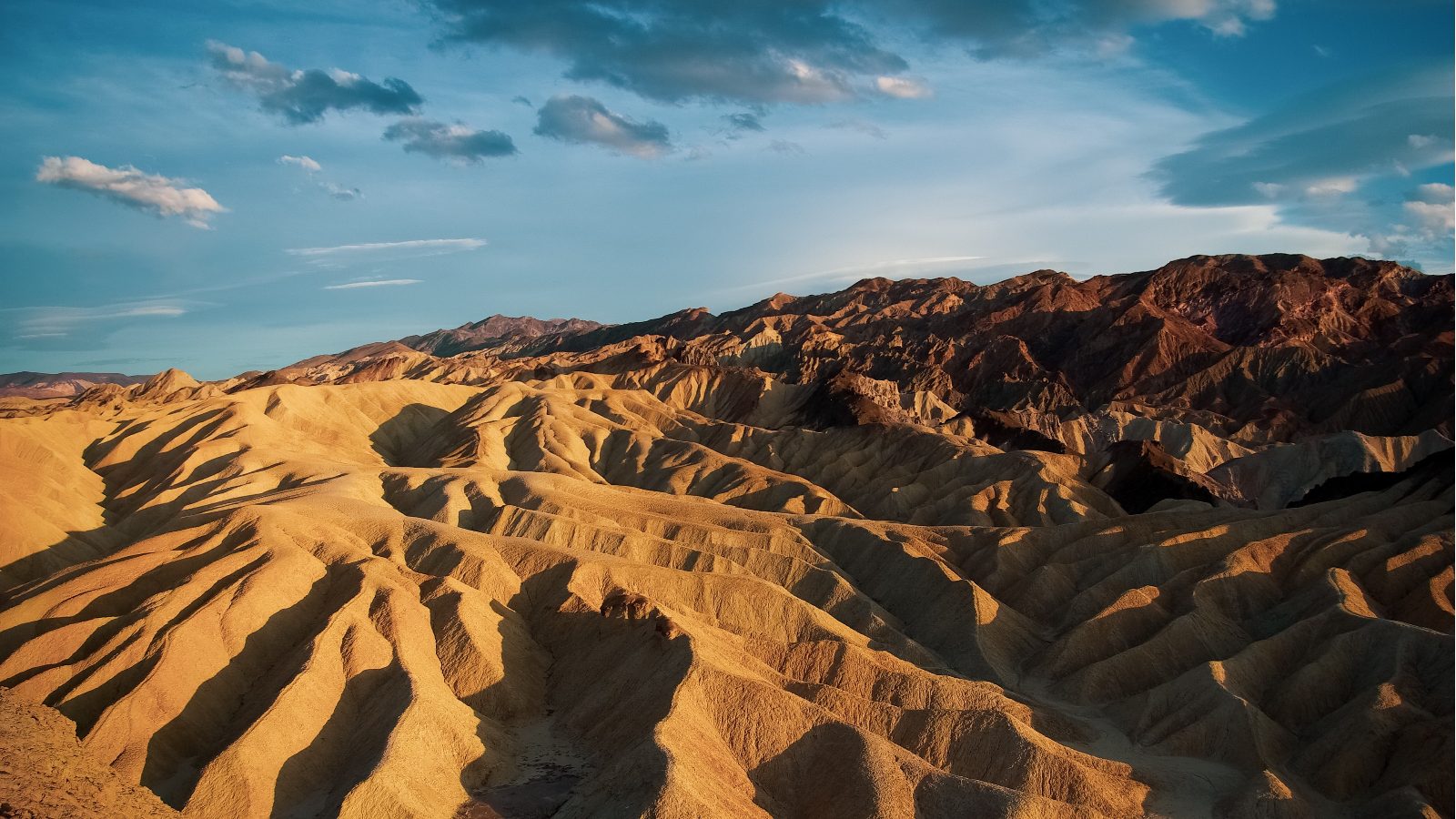
This location offers views of undulating, golden-hued badlands formed by ancient lake sediments. A typical visit lasts 20 to 30 minutes.
Arrive during early morning for soft light on the formations.
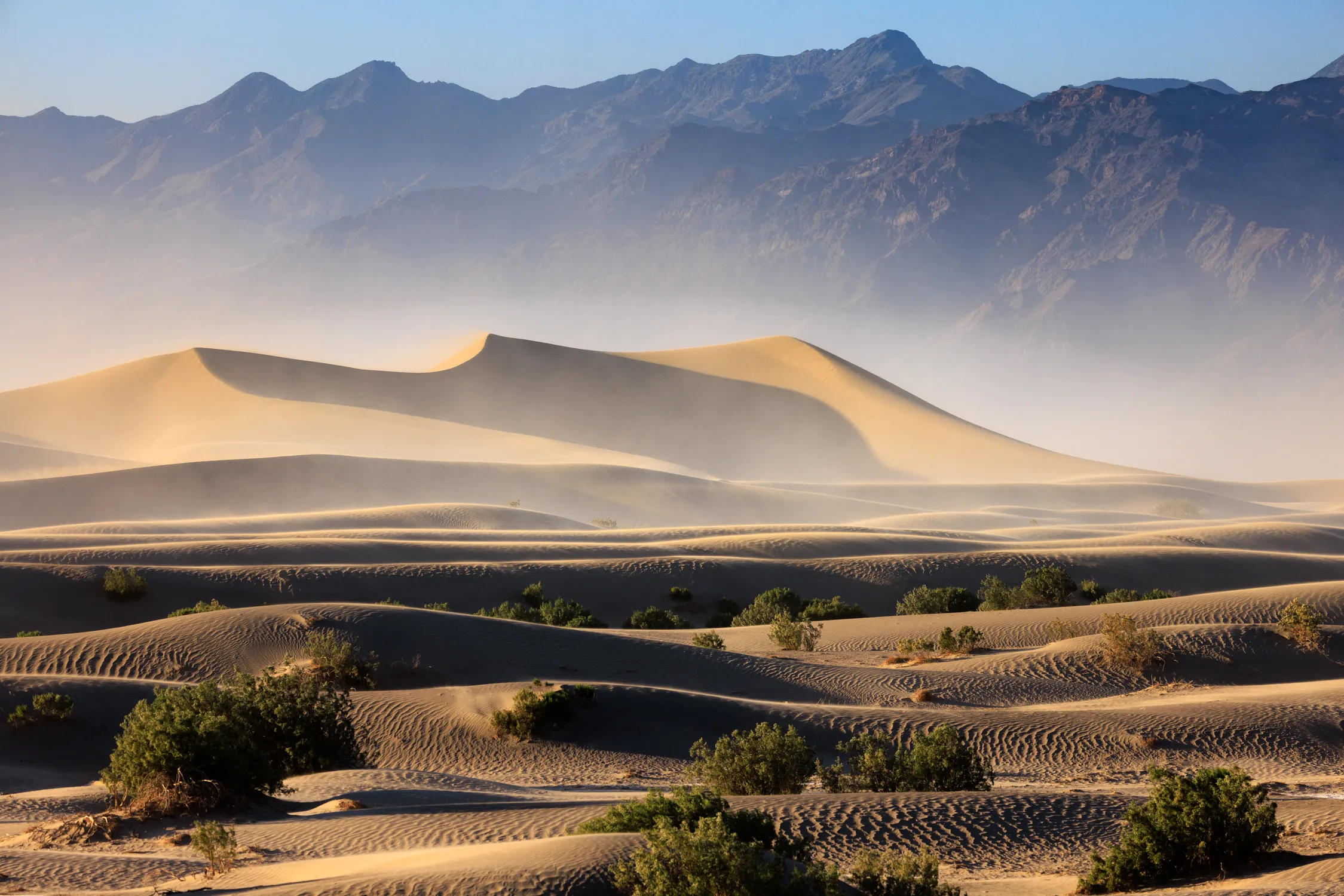
These dunes cover a significant area and provide opportunities for hiking across shifting sands. Plan for 45 to 60 minutes if you intend to reach the higher peaks.
Bring water and hike early to avoid the peak heat.
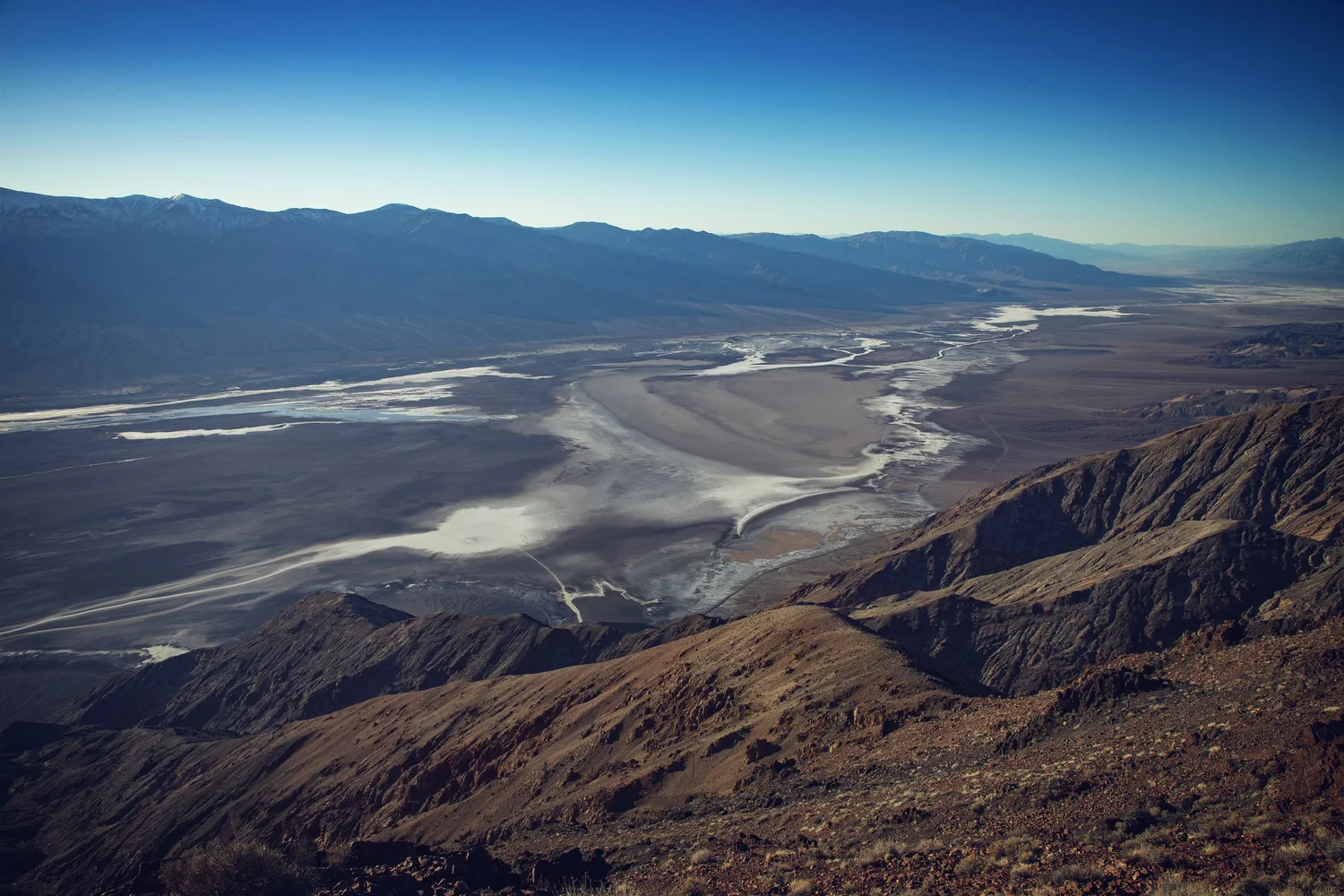
This observation point sits at 5,476 feet and provides a panoramic perspective of the entire valley floor below. Allocate 30 minutes for the drive up and observation time.
Visit early to avoid heat and clearer valley visibility.
Death Valley's extreme environment and remote location demand specific preparations beyond standard road-trip planning.
Everything you need to know about how long does it take to drive through death valley
For a standard traversal, how long does it take to drive through death valley depends on your stops, though a direct transit takes approximately 2 to 3 hours without major excursions. Visitors planning a more comprehensive experience should allocate a full day to see the main sights.
Many travelers find that how long does it take to drive through death valley is best measured by interest in landmarks like Badwater Basin or Zabriskie Point rather than just speed. You can easily spend an entire day exploring the desert landscape if you plan your route strategically.
To avoid extreme heat and midday crowds, the recommended arrival window is 00:00–08:00. This early start ensures you experience the geological formations during the cooler part of the day.
The entrance fee is 30 USD per vehicle, which provides access to the park for 7 consecutive days. This fee covers all passengers in a single private vehicle.
Death Valley National Park is open daily from 00:00–23:59, allowing for 24-hour access throughout the week. While the gates are always open, please consider how long does it take to drive through death valley when planning your nocturnal or early morning transit.
Navigating the park is straightforward on paved roads, but motorists should be prepared for remote desert conditions. Knowing how long does it take to drive through death valley helps ensure you have enough fuel and water for the journey across this vast basin.